
Commercial Pizza Oven Installation Guide: Everything You Need to Know
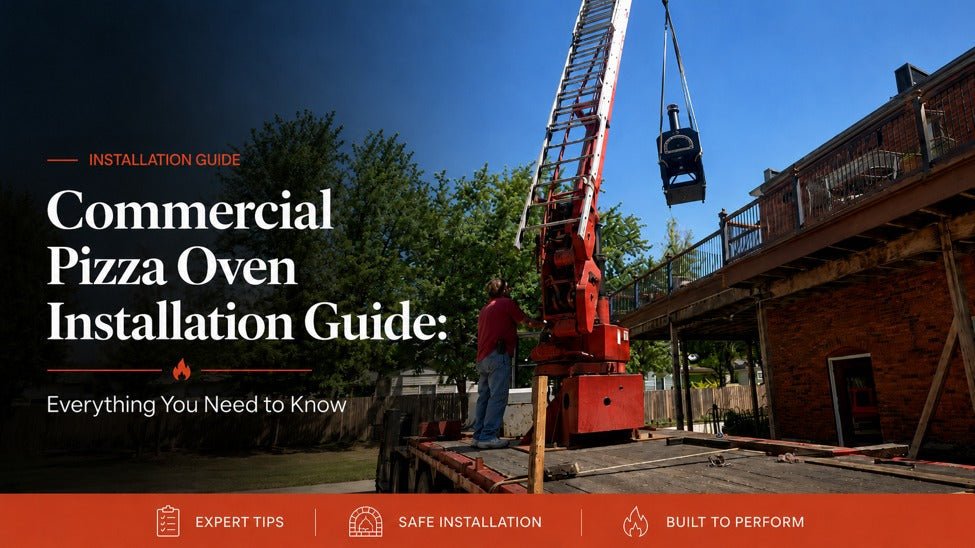
Installing a commercial pizza oven is one of the most important decisions for restaurants, pizzerias, hospitality venues, and outdoor dining spaces. A properly planned installation ensures optimal cooking performance, regulatory compliance, operational efficiency, and long-term safety.
Whether you're opening a new restaurant or upgrading your existing kitchen, understanding how to install a commercial pizza oven correctly can prevent costly mistakes and downtime later.
At Chicago Brick Oven (CBO), we've spent years helping restaurant owners, chefs, and hospitality professionals install high-performance commercial pizza ovens designed for North American conditions. From ventilation planning to structural requirements, this guide covers everything you need to know about commercial pizza oven setup.
Quick Answer: How to Install a Commercial Pizza Oven
Installing a commercial pizza oven requires careful planning around fuel supply, ventilation, structural support, utility connections, safety clearances, and local code compliance.
Before installation, you should:
- Select the appropriate oven type and fuel source
- Verify floor load capacity
- Design proper ventilation and chimney systems
- Obtain necessary permits
- Ensure UL and NSF-certified equipment
- Schedule inspections with local authorities
- Use licensed professionals for gas and electrical connections
Following these steps helps ensure pizza oven safety, regulatory compliance, and reliable performance for years to come.
Step 1: Choose the Right Commercial Pizza Oven
The installation process starts long before the oven arrives.
Different oven styles have different installation requirements:
- Wood-fired brick ovens
- Hybrid wood and gas ovens
- Gas-fired deck ovens
- Electric deck ovens
- Conveyor pizza ovens
For operators seeking authentic artisan results, wood-fired and hybrid ovens remain the preferred choice. Chicago Brick Oven's commercial models combine traditional Neapolitan-inspired design with modern engineering, allowing businesses to achieve temperatures up to 1,000°F while maintaining efficiency and durability.
When evaluating equipment, installation requirements should be considered alongside cooking performance, fuel availability, and long-term operating costs.
Step 2: Understand Fuel and Utility Requirements
One of the most critical aspects of commercial pizza oven setup is ensuring the building can support the oven's fuel and utility demands.
Gas Ovens
Gas-fired models require dedicated natural gas or propane lines sized correctly for the oven's BTU requirements.
Professional installers must verify:
- Gas pressure capacity
- Pipe sizing
- Emergency shutoff systems
- Local code compliance
Electric Ovens
Electric commercial ovens typically require:
- 208V or 240V power
- Three-phase electrical service
- Dedicated circuits
- Licensed electrical installation
Wood-Fired Ovens
Wood-fired commercial ovens require:
- Proper hardwood storage areas
- Fire-safe clearance zones
- Dedicated chimney systems
- Compliance with local fire regulations
Hybrid systems offer additional flexibility by allowing operators to use both wood and gas depending on service volume and cooking preferences.
Step 3: Meet Pizza Oven Ventilation Requirements
Ventilation is often the most complex part of installing a commercial pizza oven.
Proper ventilation helps remove:
- Smoke
- Heat
- Grease particles
- Combustion gases
- Steam
Failure to meet pizza oven ventilation requirements can result in safety risks, failed inspections, and operational issues.
Type I Hood Systems
Type I hoods are generally required for:
- Wood-fired ovens
- Charcoal-fueled equipment
- Most gas-fired cooking appliances
These systems are designed to capture smoke, grease, and combustion byproducts.
Type II Hood Systems
Some jurisdictions permit Type II hoods for electric deck ovens where grease and smoke production are minimal.
Direct Venting for Wood-Fired Ovens
Commercial wood-fired ovens often require a dedicated high-temperature chimney system.
A properly designed chimney:
- Improves draft performance
- Supports consistent cooking temperatures
- Enhances combustion efficiency
- Helps maintain indoor air quality
Interlock Safety Systems
Gas-fired ovens frequently require interlock systems that automatically shut off fuel flow if the exhaust fan stops operating.
This feature plays an important role in overall pizza oven safety and code compliance.
Step 4: Verify Structural and Floor Requirements
Commercial pizza ovens are significantly heavier than many operators realize.
Large brick and refractory ovens may weigh between 1,000 kg and 3,500 kg or more once fully assembled.
Before installation:
- Review structural drawings
- Verify load-bearing capacity
- Consult a structural engineer
- Confirm access routes for delivery
This step is especially important for rooftop kitchens, upper-floor restaurants, and renovation projects.
Chicago Brick Oven commercial models utilize proprietary refractory materials reinforced with stainless steel fibers, creating exceptional durability while maintaining the thermal mass necessary for professional wood-fired cooking.
Step 5: Maintain Required Safety Clearances
Proper spacing around the oven is essential for airflow, maintenance access, and fire protection.
Typical requirements include:
Combustible Surfaces
Clearances often range from:
- 12 inches to 36 inches
- Depending on model and local regulations
Non-Combustible Surfaces
Reduced clearances are usually permitted when adjacent materials are non-combustible.
Adequate clearance helps:
- Prevent overheating
- Improve airflow
- Simplify maintenance
- Support long-term pizza oven safety
Always follow manufacturer specifications and local code requirements.
Step 6: Obtain Necessary Permits and Approvals
A successful installation starts with proper planning and documentation.
Before purchasing equipment, restaurant owners should confirm all permitting requirements.
These may include:
- Building permits
- Mechanical permits
- Electrical permits
- Plumbing permits
- Fire department approvals
Many municipalities also require a pre-installation review by the local fire marshal.
Selecting certified equipment can streamline the approval process significantly.
Commercial buyers should prioritize ovens carrying recognized certifications such as:
- UL Certification
- NSF4 Certification
Chicago Brick Oven commercial ovens are engineered to meet demanding North American safety and sanitation standards, helping operators navigate compliance requirements more efficiently.
Step 7: Professional Utility Connections
Final utility connections should always be completed by licensed professionals.
Gas Connections
Installers should use:
- Approved flexible connectors
- Quick-disconnect fittings
- Restraining cables
- Leak testing procedures
Electrical Connections
Commercial ovens generally require:
- Hardwired connections
- Water-resistant conduit
- Dedicated breakers
- Professional load calculations
Water and Drainage
Some conveyor and steam-assisted ovens require:
- Dedicated water lines
- Drainage systems
- Floor drains
Proper installation protects equipment performance and reduces maintenance issues.
Why Installation Quality Matters for Long-Term Performance
Many restaurant owners focus heavily on oven specifications while overlooking installation quality.
However, even the best commercial pizza oven can underperform if ventilation, fuel delivery, structural support, or safety systems are improperly configured.
A properly installed oven delivers:
- Faster heat-up times
- Better temperature consistency
- Improved fuel efficiency
- Reduced maintenance costs
- Enhanced workplace safety
- Longer equipment lifespan
For wood-fired cooking systems, proper installation also helps maximize heat circulation and flame movement throughout the cooking chamber.
Chicago Brick Oven's proprietary FlameRoll™ Technology creates a vacuum effect that circulates concentrated heat across the dome, combining radiant, convection, and conduction cooking for exceptional performance. Proper installation ensures operators fully benefit from this advanced engineering.
Choosing the Right Commercial Pizza Oven
Installation is only one part of the equation. Selecting the right equipment is equally important. Features such as fuel flexibility, certification standards, cooking capacity, thermal efficiency, and durability all influence long-term success. If you're evaluating options, our guide on Best Commercial Pizza Ovens for Restaurants: Top Features to Consider explores the key factors restaurant owners should review before making an investment.
Final Thoughts
Understanding how to install a commercial pizza oven is essential for achieving safe, efficient, and reliable operation. From ventilation planning and structural assessments to utility connections and regulatory approvals, every step plays a role in overall performance.
For restaurants, hospitality venues, and commercial kitchens seeking authentic wood-fired cooking, investing in professional installation is just as important as selecting the oven itself.
Chicago Brick Oven combines traditional Neapolitan-inspired design with American engineering, UL and NSF4 certifications, proprietary refractory construction, and FlameRoll™ Technology to deliver commercial cooking systems built for performance, durability, and unforgettable wood-fired flavor.
After all, everything tastes better woodfired.
Leave a comment