
Pizza Oven Installation Guide for Homeowners (Indoor & Outdoor)
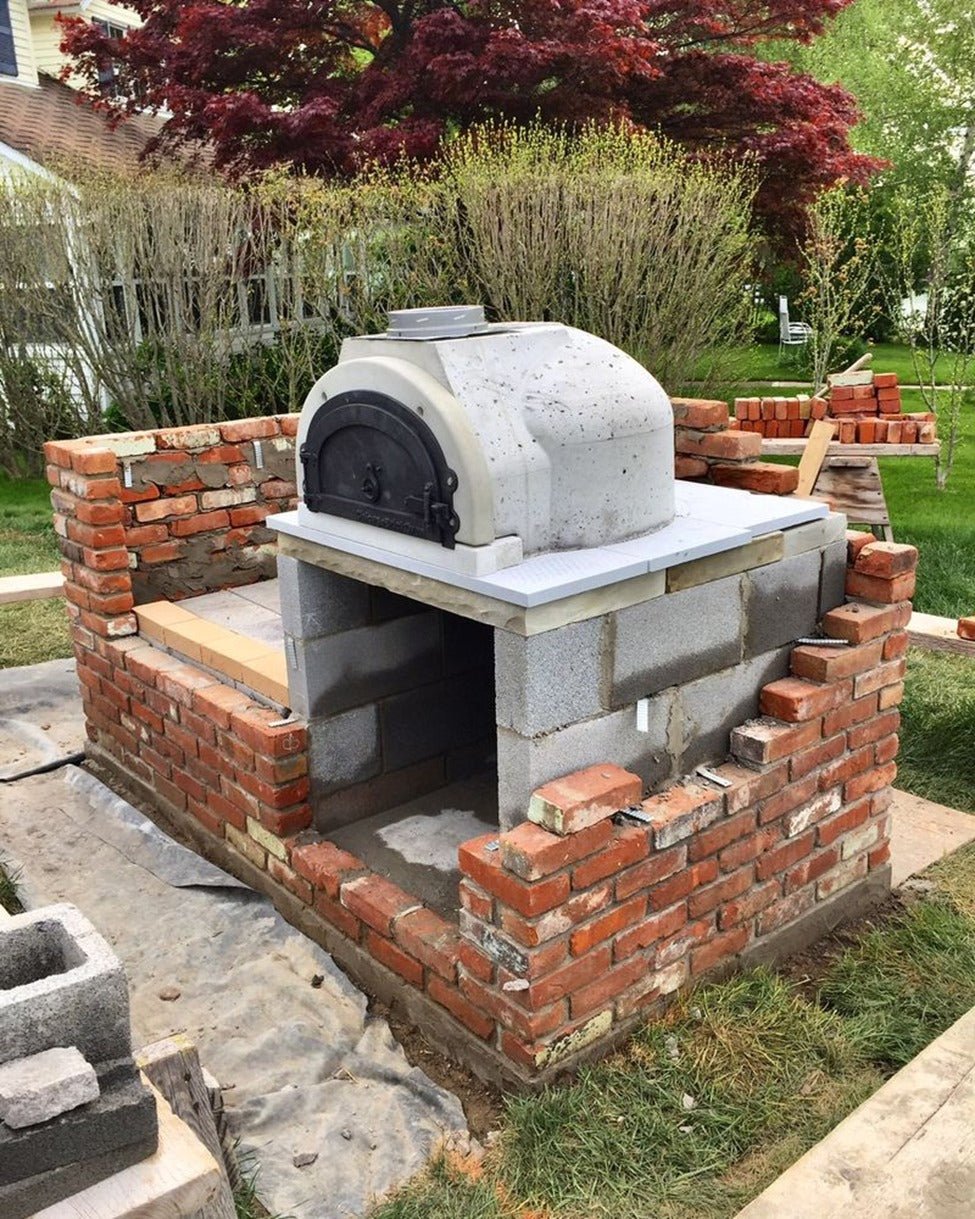
Installing a pizza oven requires a structurally sound, heat-resistant foundation capable of supporting 450 kg to over 1,750 kg, proper insulation beneath the hearth and around the dome, correct chimney or venting configuration, and safe positioning using lifting equipment such as a forklift or crane for larger units. High-temperature mortar (rated to 2,300°F) is used to seal assembly joints, while insulation boards and ceramic blankets ensure heat retention. Gas-assisted or hybrid models require proper electrical access and professional line installation. For built-in ovens, professional installation is recommended to ensure safety, compliance, and long-term durability.
When installing a premium wood-fired system like those from Chicago Brick Oven, engineering precision, climate durability, and certified safety standards must guide every step.
Why Installation Matters More Than Most Homeowners Realize
A true brick pizza oven is not a lightweight appliance. It is a high-performance cooking system engineered to reach temperatures up to 1,000°F. Proper installation directly impacts:
- Heat retention
- Cooking performance
- Structural safety
- Longevity in freeze-thaw climates
- Certification compliance
For homeowners researching pizza ovens for sale or looking to purchase a pizza oven online, installation planning should happen before delivery not after.
CBO ovens are designed for North American conditions and built with proprietary refractory cement reinforced with stainless steel fibers. That means your installation must support not only weight, but also thermal mass and expansion cycles.
Step 1: Site Preparation & Structural Planning
Whether indoor or outdoor, your installation site must:
- Be level
- Support substantial weight (450kg–1,750kg depending on model)
- Accommodate proper ventilation
- Allow clearance for safe operation
For outdoor installations, reinforced concrete slabs are standard. For indoor installations, structural floor reinforcement may be required.
CBO low-dome, igloo-shaped design is engineered for performance not aesthetics alone. The dome creates proper airflow and supports the FlameRoll™ effect. Improper leveling can disrupt airflow and cooking efficiency.
Step 2: Building a Proper Foundation
The foundation must include:
- Reinforced concrete base
- Concrete block or masonry stand
- Fireproof support layer
- Insulation board beneath the hearth
Heat travels downward as well as upward. Installing an insulation board under the cooking surface prevents heat loss and protects structural materials.
For modular DIY kits, assembly must follow manufacturer specifications precisely. Joint gaps should remain within recommended tolerances when sealing with high-temperature mortar rated to 2,300°F.
Step 3: Positioning the Oven Safely
Most premium brick ovens cannot simply be “lifted into place.”
For 36–42 inch assembled models:
- Use a forklift, crane, or pallet jack
- Follow manufacturer weight specifications
- Never attempt manual lifting
Safety gear and professional handling are strongly advised.
Chicago Brick Oven assembled residential and commercial units are engineered for durability, but safe handling ensures the refractory structure remains uncompromised.
Step 4: Dome & Hearth Assembly (DIY Kits)
If installing a modular system:
- Set hearth base
- Assemble dome sections
- Apply 2,300°F mortar to seal seams
- Install chimney anchor plate
- Secure flue pipe
Precision matters. Airflow drives performance.
CBO ovens utilize FlameRoll™ Technology, a proprietary system that creates a vacuum effect, rolling flame across the dome and combining radiant, convection, and conduction heat. Improper chimney alignment can compromise this effect.
Step 5: Insulation & Thermal Efficiency
Professional-grade performance requires proper insulation.
Installation should include:
- Insulating board under hearth
- Ceramic fiber insulation blanket over dome
- Wire mesh reinforcement
- GFRC (glass fiber reinforced concrete) or stucco finish
Insulation is what allows authentic Neapolitan pizza to cook in approximately 90 seconds at extreme temperatures.
Without proper insulation, fuel efficiency drops and heat recovery slows.
Step 6: Gas & Hybrid Installation (If Applicable)
For Hybrid Dual Burner models:
- Ensure a 120-volt outlet is available
- Align burner brackets carefully
- Have gas lines installed by licensed professionals
- Verify ventilation compliance
Hybrid systems provide wood authenticity with gas convenience but must be installed to code.
Unlike many imported ovens, CBO models are UL Certified and NSF4 Certified. Installation must maintain compliance standards.
Indoor Installation Considerations
Indoor installations require:
- Professional ventilation system
- Code-compliant chimney
- Fire clearance compliance
- Structural reinforcement
Because CBO ovens are certified for commercial standards, they are often selected for restaurants and hospitality projects but residential indoor installations must follow similar safety rigor.
Professional installation is strongly recommended.
Outdoor Installation Options
Homeowners can choose:
- Built-in masonry structures
- Ready-to-finish oven cabinets
- Steel table stand configurations
A steel stand option can reduce masonry work, but foundation stability remains critical.
Outdoor kitchens benefit from:
- Visible flame aesthetics
- Wood storage integration
- Countertop workspace
- Weather protection
CBO ovens are engineered for extreme U.S. climates including freeze-thaw regions like Maine and Wisconsin but proper exterior finishing ensures long-term durability.
Installation Cost Overview
General market ranges:
- DIY Kits: $500–$6,000
- Professional Installation: $1,200–$2,500+
- Custom masonry builds: Higher depending on scope
However, installation quality should never be value-engineered at the expense of safety or performance.
A professionally installed, American-made oven will outlast improperly installed imports by years.
Final Thoughts: Installation Is Part of the Performance
A premium pizza oven is not simply about cooking pizza. It is about:
- Gathering around fire
- Authentic Neapolitan flavor
- Multi-dish artisan cooking
- Luxury outdoor entertaining
When installed correctly, a Chicago Brick Oven becomes the centerpiece of the backyard.
Everything tastes better woodfired.
If you are exploring pizza ovens for sale or planning to purchase a pizza oven online, begin with installation planning first. Engineering, certifications, airflow science, and structural integrity all matter.
Because performance begins before the first fire is ever lit
Leave a comment