
What Temperature Should a Wood-Fired Pizza Oven Be? A Simple Guide for Beginners
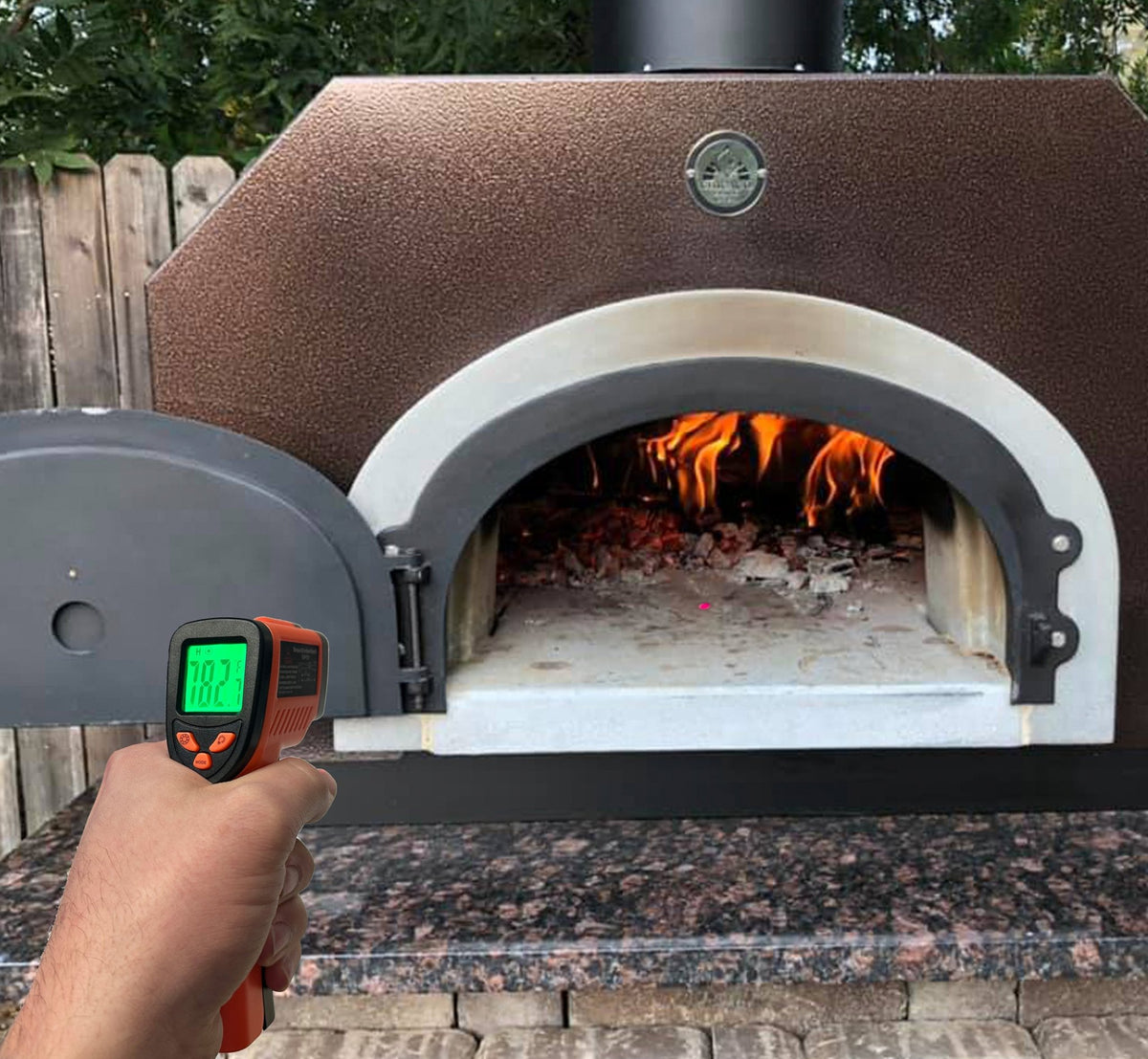
Cooking in a wood-fired pizza oven offers an unmatched outdoor culinary experience. Unlike standard kitchen ovens, wood-fired ovens heat faster, retain high temperatures, and create natural heat zones, giving you incredible versatility. Whether you’re firing up your backyard oven for family pizza night or learning the basics, understanding temperature control is key to perfect results.
At Chicago Brick Oven, we guide homeowners on achieving ideal heat levels for pizza, breads, roasting, and more helping you get the most from your wood-fired oven.
Ideal Temperatures for Pizza
High heat is essential for authentic pizza. It ensures airy crusts, blistered tops, and perfectly cooked toppings.
Neapolitan Pizza (Traditional High-Heat Style)
- Temperature: 800°F–900°F (430°C–485°C)
- Cooking Time: 60–90 seconds
This is the classic Italian pizzeria range. The crust crisps instantly, while toppings bubble beautifully.
General Pizza (American or Artisan Styles)
- Temperature: 700°F–900°F (370°C–485°C)
For thicker dough or experimental styles, this range offers flexibility. An infrared thermometer helps ensure accurate floor and dome temperatures for even cooking.
Tip: Always fully preheat your oven so the stone floor retains heat for crisp pizza bottoms.
Temperature Guide for Other Foods
One advantage of wood-fired ovens is their versatility. As the fire dies down, the oven naturally transitions into zones perfect for other dishes:
|
Food Type |
Temperature Range |
Uses |
|
Slow Roasting & Stews |
200°F–250°F (90°C–120°C) |
Braised meats, casseroles, slow-roasted veggies |
|
Desserts & Scones |
300°F–350°F (150°C–175°C) |
Cookies, cakes, fruit crisps, pastries |
|
Bread & General Baking |
400°F–450°F (200°C–230°C) |
Loaves, rolls, focaccia |
|
Roasting Meats & Focaccia |
500°F–550°F (260°C–290°C) |
Chicken, pork, vegetables, artisan bread |
With proper planning, you can cook an entire meal from appetizers to dessert without wasting heat.
Key Factors That Affect Oven Temperature
1. Heat Zones
Wood-fired ovens naturally create temperature zones:
- Back: Hottest, perfect for pizzas
- Center: Balanced heat, good for general cooking
- Front: Slightly cooler, ideal for warming or gentle roasting
2. Preheating
A proper preheat is essential for high performance. Typically:
- 35–45 minutes depending on oven size and outdoor temperature
The oven stone floor and dome must absorb heat to create intense, consistent cooking conditions and that takes significant time.
3. Using the Right Tools
For reliable results:
- Infrared thermometer – measures floor and dome temperatures accurately
- Quality hardwood – clean, strong heat
- Fire management tools – maintain a consistent flame
How to Know Your Oven Is Ready for Pizza
Before launching pizza, check:
- Dome is white – soot has burned off, high-heat zone achieved
- Floor temperature 700–900°F – ensures even crust cooking
- Flame rolls across the dome – creates signature leopard spots
If not, wait a few minutes or add more hardwood.
Final Thoughts
Wood-fired ovens are all about understanding heat and timing. For pizza, aim for 800–900°F, but once the fire cools, the oven becomes perfect for slow cooking, roasting, baking bread, and even desserts.
Whether you own a backyard oven or are exploring options from a wood-fired pizza oven store online, mastering temperature is the first step toward consistent, restaurant-quality results. With the right heat, tools, and practice, you can enjoy authentic wood-fired cooking at home.
Leave a comment