
What is a Pizza Peel? Everything You Need to Know Before Using One
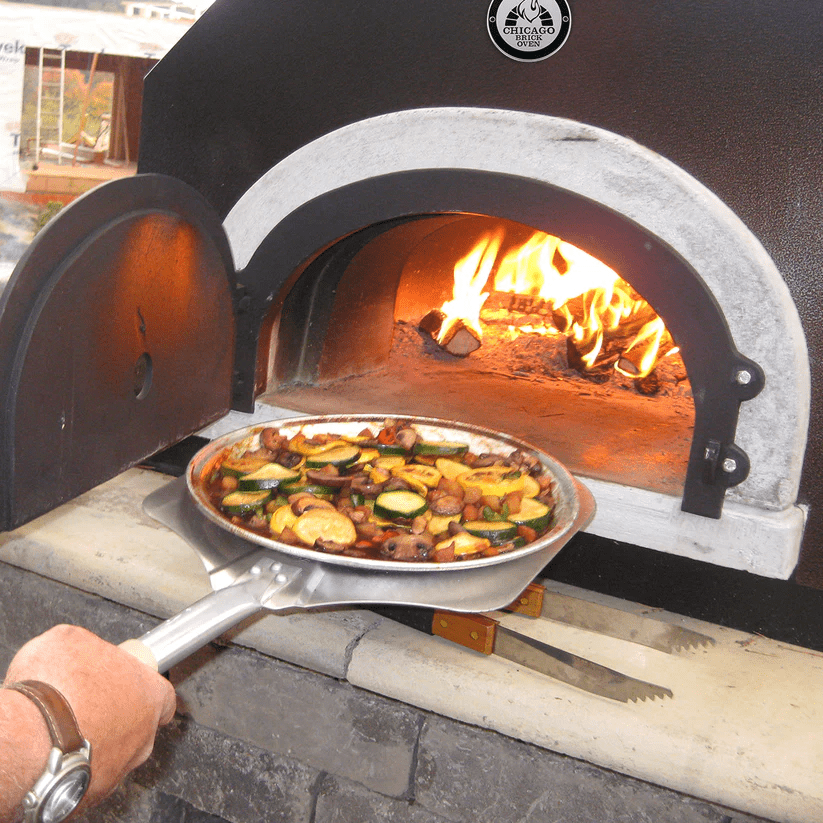
If you love making pizza at home whether in a wood-fired oven, gas oven, or indoor kitchen oven a pizza peel is one tool you simply can’t skip. A pizza peel is a large, flat paddle designed to help you safely transfer pizzas into and out of hot ovens. Think of it as a giant spatula built for high heat, smooth launching, and easy manoeuvring. It prevents burns, avoids dough mishaps, and makes the whole pizza-making process smoother and more professional.
In the USA, home cooks and outdoor cooking enthusiasts rely heavily on pizza peels because they’re essential for safe handling and perfect results. Whether you’re using a traditional wood-fired setup or a portable backyard pizza oven, choosing the right peel and knowing how to use it properly makes all the difference.
Below is everything you need to know before buying or using a pizza peel type, materials, techniques, and tips to help elevate your homemade pizza game.
What Exactly Is a Pizza Peel?
A pizza peel is a flat paddle attached to a long handle that allows you to build, launch, rotate, and retrieve pizzas inside a hot oven. Peels come in different shapes and sizes, but the concept is the same: they act as your hands inside the oven, allowing you to work close to high temperatures without risk.
There are two primary categories:
-
Launching peel (transfer peel): A large paddle, usually wood or aluminum used to slide uncooked pizza into the oven and lift the baked pizza out.
- Turning peel: A smaller, round tool used to rotate pizzas during baking so they cook evenly.
Both tools are essential if you want consistent results, especially in high-heat outdoor ovens.
Key Functions & Types of Pizza Peels
Different types of pizza peels serve different roles in the cooking process. Understanding these will help you choose the right tool for your oven setup.
1. Transfer / Launch Peel
This is the peel most people picture. It features a wide, flat paddle, often rectangular or slightly rounded designed to support the entire pizza. You assemble your pizza directly on this peel and then “launch” it onto your hot stone or steel.
Launching peels are typically made of:
- Wood: Traditional, naturally textured, and helpful for reducing sticking.
- Metal: Lightweight and smooth for easy sliding, especially aluminum.
These are also used to remove the pizza after baking.
2. Turning Peel
A pizza oven turning peel is smaller and round, designed for maneuvering inside the oven. When baking at high temperatures (700–900°F), rotating the pizza is crucial for even browning. A turning peel makes this simple; it allows you to lift the pizza slightly, spin it, and place it back down without removing it completely.
Turning peels often have:
- Small circular heads
- Long handles for oven safety
- Thin metal construction for precision
3. Perforated Peel
A perforated peel comes with small holes that let excess flour or semolina fall away before launching the pizza. This helps prevent burning flour flavors and creates a cleaner launch.
If you’re shopping for pizza peels for sale and want smooth, easy handling, perforated options are a favorite among professionals.
Common Materials Used in Pizza Peels
When selecting a peel, the material matters just as much as the shape and size. Each material offers distinct advantages depending on your cooking style.
Wood
- Classic look and feel
- Slightly textured surface helps prevent sticking
- Great for assembling and launching pizza
However, wood is more porous, which means:
- It requires more care
- It shouldn’t be soaked in water
- It’s heavier than metal peels
Wood peels are ideal if you make thick or traditional American-style pizzas.
Metal (Aluminum or Steel)
- Thin and lightweight
- Easy to slide under-cooked pizzas
- Simple to clean
- Great precision, especially with high-heat ovens
The one downside:
Metal can cause sticking if the peel isn’t dusted properly, so you’ll need to use flour or semolina.
Metal is preferred for Neapolitan-style pizza, fast cooking, and high-temperature ovens.
How to Use a Pizza Peel: Step-by-Step
Whether you’re using a small pizza peel for indoor baking or a long-handled peel for outdoor use, the technique remains consistent.
1. Build
Lightly flour the peel with semolina or all-purpose flour. Assemble your pizza directly on the surface, stretch the dough, add sauce, toppings, and cheese.
2. Launch
Gently shimmy the peel to make sure the pizza moves freely. Then, in one confident motion, slide the pizza onto your preheated stone or steel.
A smooth launch comes from:
- Proper flouring
- Confidence
- A quick forward-and-back motion
3. Bake & Turn
Use your turning peel to rotate the pizza as it cooks. High-heat outdoor ovens require multiple turns to achieve even coloring.
4. Retrieve
Using either the same launch peel or a smaller peel, slide the tool under the pizza and lift it out of the oven.
Choosing the Right Pizza Peel
When browsing pizza peels for sale, consider:
- Oven type: Outdoor wood-fired ovens need long handles; indoor ovens may need smaller peels.
- Pizza style: Neapolitan pizza works best with metal peels; American and thick-crust pizzas pair well with wood.
- Frequency of use: Metal is easier to maintain; wood offers a traditional baking experience.
A well-chosen pizza peel makes pizza night safer, easier, and much more enjoyable.
Final Thoughts
A pizza peel is more than just a kitchen tool, it's a must-have for anyone serious about making great pizza at home. From launching dough smoothly to rotating it for perfect browning, the right peel gives you better control and a true pizzeria-style cooking experience.
Whether you need a long tools pizza peel for outdoor ovens, a small pizza peel for indoor cooking, or a turning peel for precision, choosing the right tool sets you up for restaurant-quality results every time.
Leave a comment