
Unexpected Pizza Oven Uses Most Homeowners Don’t Know About
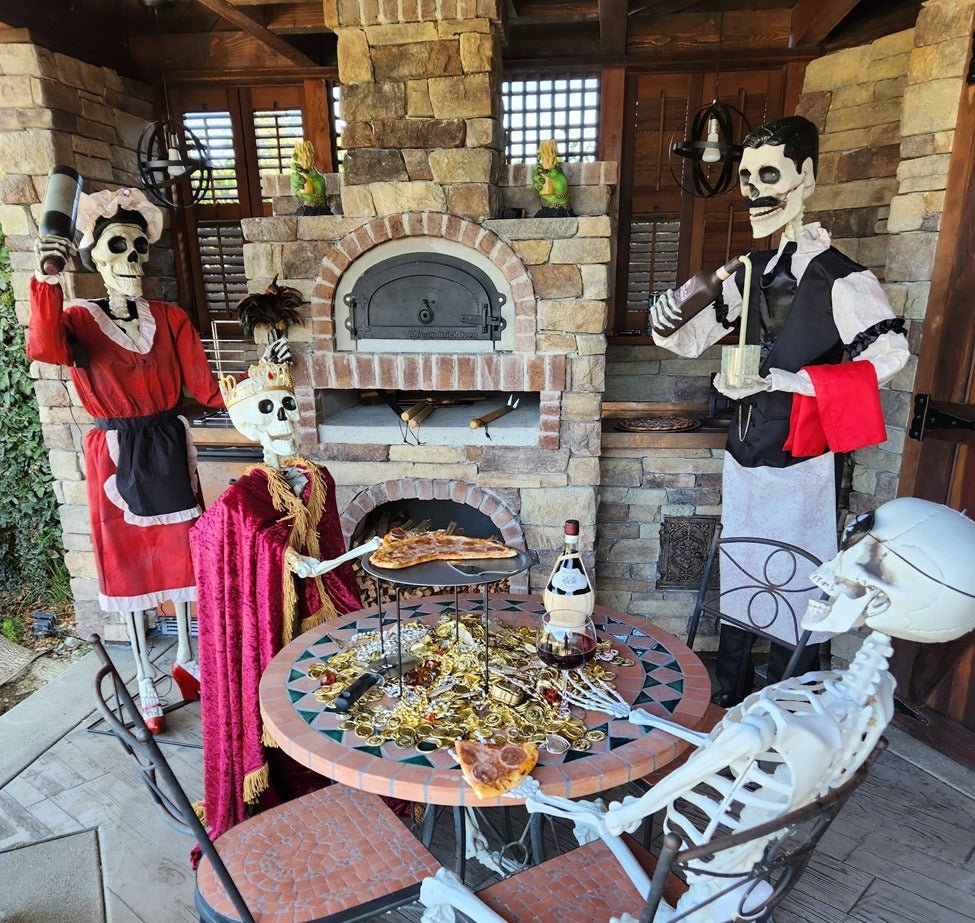
A high-performance pizza oven is far more than a pizza-making appliance. Premium wood-fired brick ovens can reach temperatures up to 1,000°F, enabling rapid Neapolitan pizza baking in about 90 seconds while also excelling at artisan bread baking, steak searing, vegetable roasting, seafood cooking, and slow roasting using residual heat. Thanks to radiant, convection, and conduction heat working simultaneously, a properly engineered oven becomes a complete outdoor cooking system not just a single-use tool.
At Chicago Brick Oven, this versatility is engineered into every model through FlameRoll™ technology, low-dome Neapolitan design, and proprietary refractory construction built for extreme North American climates.
The Truth: A Pizza Oven Is a Multi-Function Culinary System
Most homeowners searching for pizza ovens for sale or browsing for a pizza oven online think primarily about crispy crust and bubbling mozzarella. And yes authentic Neapolitan pizza is the crown jewel.
But when engineered correctly, a wood-fired brick oven becomes one of the most powerful cooking tools you can own.
At Chicago Brick Oven, ovens are designed to deliver:
- Radiant heat from the dome
- Convection heat circulation through FlameRoll™
- Direct conduction from the hearth surface
This three-mode heat system transforms how food cooks and expands what’s possible.
Let’s explore what most homeowners don’t realize.
1. Steakhouse-Level Searing at 1,000°F
A properly engineered brick oven can exceed the capabilities of most residential grills.
With FlameRoll™ technology creating a vacuum-like heat circulation across the dome, temperatures can approach 1,000°F. Place a pre-warmed cast iron skillet inside, and you achieve:
- Instant caramelization
- Restaurant-quality crust
- Deep flavor locking
Unlike imported ovens not engineered for extreme climates, CBO ovens maintain stable heat retention due to stainless steel fiber-reinforced refractory cement ensuring performance even during Midwest winters or coastal humidity.
This is not backyard novelty cooking. It’s professional-grade searing.
2. Artisan Bread with Hearth-Fired Texture
The low-dome, igloo-shaped design inspired by ancient Italian ovens is performance-driven not decorative.
When baking bread:
- The dry, intense heat creates superior oven spring
- The hearth delivers crisp, crackling crust
- Retained dome heat ensures even interior crumb
You can bake:
- Sourdough boules
- Focaccia
- Flatbreads
- Rustic country loaves
Because heat retention is optimized through CBO proprietary refractory blend, you can bake multiple batches in sequence, something portable metal ovens simply cannot achieve.
3. Roasted Vegetables with Authentic Woodfire Character
High-heat charring transforms simple vegetables into elevated dishes.
Carrots blister.
Peppers caramelize.
Brussels sprouts crisp deeply.
The visible flame rolling across the dome enhances both flavor and presentation. It’s part of the outdoor entertaining experience, a core element of CBO philosophy.
“Everything tastes better woodfired.”
4. Seafood & Fish in Minutes
High, dry heat is ideal for seafood.
With a properly pre-heated Tuscan grill or cast iron pan:
- Shrimp sear quickly without drying
- Salmon develops crisp skin
- Whole fish cook evenly
Because CBO ovens integrate radiant, convection, and conduction heat simultaneously, cooking times shorten while moisture is preserved.
This balance is critical and it’s only possible with correct airflow and dome geometry.
5. Slow Cooking with Residual Heat (The Day After)
One of the most overlooked advantages of a high-mass brick oven is residual heat.
After high-temperature cooking, the oven retains heat for hours even into the next day.
This allows for:
- Slow-roasted ribs
- Braised short ribs
- Beans cooked overnight
- Casseroles
- Stews
Unlike thin-walled imported ovens, CBO’s freeze-thaw resistant refractory structure maintains thermal mass even in extreme climates.
This isn’t just about performance.
It’s about engineered durability.
6. Desserts in a Wood-Fired Environment
Few homeowners realize a brick oven is extraordinary for desserts.
Try:
- Cast-iron fruit crumbles
- Rustic galettes
- Bread pudding
- Sweet flatbreads
The wood-fired environment creates caramelization depth impossible in standard indoor ovens.
7. Multi-Dish Cooking in One Firing
Because CBO ovens are designed for controlled airflow and consistent heat retention, you can cook in phases:
- High heat pizza (700–900°F)
- Bread baking (500–600°F)
- Roasting meats (400–500°F)
- Slow cooking (250–350°F)
This temperature cascade transforms a single fire into a full-day cooking experience.
Why Engineering Matters More Than Marketing
Not all pizza ovens are created equal.
Many imported ovens:
- Lack UL certification
- Lack NSF4 certification
- Are not engineered for freeze-thaw climates
- Struggle with consistent airflow
CBO ovens are:
- UL Certified
- NSF4 Certified
- Built in the USA
- Designed specifically for North American weather extremes
This distinction matters especially for homeowners investing in luxury outdoor kitchens or for commercial buyers needing compliance.
The Bottom Line
If you’re searching for a pizza oven online or reviewing pizza ovens for sale, ask a deeper question:
Are you buying a pizza accessory or a fully engineered outdoor cooking system?
At Chicago Brick Oven, every oven is designed around:
- Authentic Neapolitan low-dome performance
- Proprietary FlameRoll™ technology
- Professional-grade heat retention
- Extreme climate durability
-
Concierge-level customer support
A true brick oven isn’t about a single dish.
It’s about gathering around fire.
It’s about visible flame aesthetics.
It’s about artisan cooking without compromise.
And most importantly
It’s about realizing your pizza oven can do far more than you ever imagined.
Leave a comment