
How to Use the Top Down Fire Method in a Wood-Fired Pizza Oven (Step-by-Step)
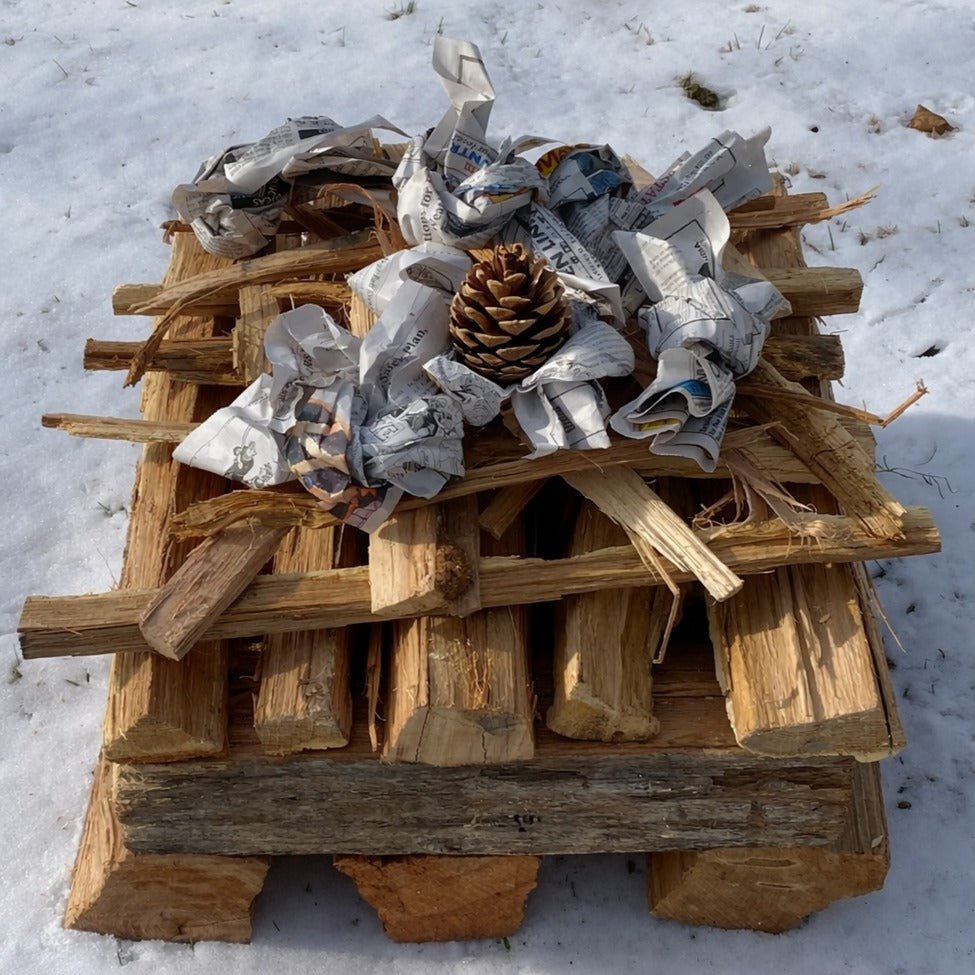
If you want a hotter, cleaner, and more efficient fire inside your pizza oven, the top-down fire method is one of the most effective techniques available. Unlike traditional fire-building methods that ignite from the bottom, the top-down approach burns downward creating stronger draft, less smoke, and faster heat development.
For owners of a high-performance outdoor pizza oven, especially a low-dome Neapolitan-style oven like those engineered by Chicago Brick Oven (CBO), this method pairs perfectly with precision airflow and dome-based heat circulation.
Below is a complete step-by-step guide optimized for both residential pizza ovens and commercial pizza ovens to help you master the technique.
What Is the Top Down Fire Method?
The top-down fire method reverses traditional fire building:
- Large logs go on the bottom
- Medium splits the stack above
- Kindling sits on top
- The firestarter is placed at the very top
You light the fire from the top and let it burn downward.
This creates:
- Cleaner combustion
- Reduced smoke
- Faster chimney drafting
- More even heat buildup
- Minimal fire management
In performance-driven ovens like CBO’s low-dome, igloo-shaped brick ovens, this method enhances heat circulation and accelerates dome saturation.
Why the Top-Down Method Works Better in a Brick Pizza Oven
In a properly engineered residential pizza oven, airflow is critical. When you ignite from the top:
- The chimney heats faster
- Draft strengthens quickly
- Smoke burns off before exiting
- Heat builds upward and rolls across the dome
In ovens built with FlameRoll™ technology, heat doesn’t just rise, it circulates in a vacuum-like pattern across the dome ceiling. This concentrated heat flow allows temperatures to climb rapidly toward 700°F–1,000°F, depending on cooking goals.
The result? Faster preheat. Cleaner burn. More controlled flame movement.
Step-by-Step: How to Build a Top Down Fire in Your Pizza Oven
Step 1: Start with Seasoned Hardwood (Critical)
Use properly dried hardwood—oak, maple, hickory, or ash. Moisture content should be below 20%.
Wet wood creates:
- Excess smoke
- Soot buildup
- Slower heat development
Dry wood ensures optimal combustion and maximum temperature performance.
Step 2: Build the Base Layer (Large Logs)
Place 2–3 large hardwood logs side-by-side on the oven floor (center or slightly forward).
These logs serve as:
- The long-burning foundation
- Primary fuel source
- Heat retention mass
Keep them tightly placed to create a stable base.
Step 3: Add Medium Splits (Cross-Stack)
Stack medium-sized splits perpendicular or crisscrossed on top of the large logs.
This:
- Creates airflow channels
- Allows flame to travel downward
- Improves combustion efficiency
Airflow design is especially important in low-dome brick ovens where heat distribution affects cooking performance.
Step 4: Add Kindling Layers
Place 2–4 rows of small kindling above the medium splits.
Kindling should be:
- Dry
- Pencil to thumb thickness
- Evenly spaced
This layer ignites quickly and begins heating the flue system.
Step 5: Add Tinder at the Top
Place crumpled newspaper, cardboard, or a natural fire starter at the very top.
Avoid:
- Chemical starters
- Lighter fluid
- Treated materials
Natural ignition maintains clean combustion and preserves the interior chamber.
Step 6: Light the Top
Ignite the tinder at the very top.
The fire will:
- Burn downward slowly
- Ignite each layer progressively
- Heat the chimney quickly
- Establish strong draft
Within minutes, flames begin moving upward and across the dome.
In a properly engineered oven, you’ll see visible flame roll across the interior chamber, a sign that radiant and convection heat are activating together.
Advantages of the Top Down Fire Method
1. Cleaner Burn
Produces significantly less smoke and soot.
2. Faster Heat-Up
Heats the chimney first, improving draft and airflow.
3. Less Maintenance
You load all fuel at once no constant adjusting.
4. Improved Safety
Reduces risk of smoke backflow in cold-start conditions.
5. Better Dome Saturation
Heat builds evenly, allowing the refractory dome to store energy efficiently.
When Is the Oven Ready to Cook?
Your pizza oven is ready when:
- Dome interior turns from black to white
- Flames roll across the top of the chamber
- Floor temperature reaches 700°F–900°F
At 900°F+, authentic Neapolitan pizza can be cooked in approximately 90 seconds.
This is where engineering matters. A properly insulated, low-dome oven retains and circulates heat efficiently making fire-building technique even more impactful.
Residential vs Commercial Applications
Whether you’re using:
- High-performance residential pizza ovens
- Modular commercial pizza ovens
- Or even evaluating a gas pizza oven commercial system with hybrid wood capability
The top-down method remains valuable for wood-fired cooking.
For hybrid ovens, wood ignition can be accelerated using gas assist ideal for restaurants needing consistent ignition speed without sacrificing authentic flame cooking.
Where This Method Matters Most
If you’re exploring premium pizza ovens for sale, especially American-made brick systems engineered for extreme climates, mastering fire control is part of ownership.
Performance isn’t just about reaching 1,000°F.
It’s about:
- Heat retention
- Efficient airflow
- Even dome saturation
- Multi-dish cooking capability
The top-down fire method supports all of these.
Final Thoughts
The top-down fire method isn’t just a trend, it's a smarter way to build heat inside a wood-fired brick oven.
It aligns perfectly with:
- Low-dome Neapolitan design
- High-temperature cooking performance
- Proper airflow engineering
- Visible flame aesthetics
- Authentic wood-fired flavor
When executed correctly, it creates a hotter, cleaner, more efficient burn allowing your pizza oven to perform at its full potential.
Because when fire is built properly, everything tastes better woodfired.
Leave a comment