
How Pizza Ovens Work: The Basics of Heat, Airflow, and Perfect Cooking
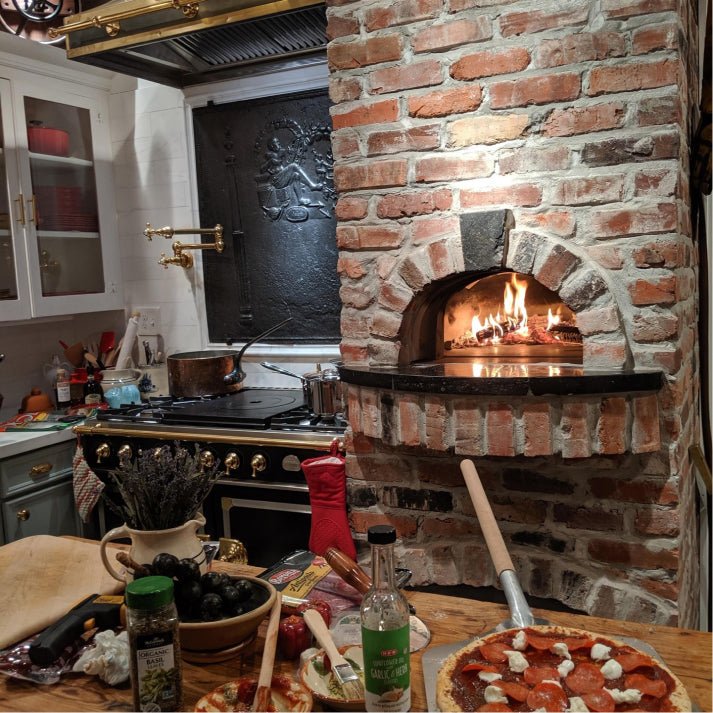
Pizza ovens look simple from the outside, but their internal science is what makes authentic pizza taste completely different from anything baked in a regular kitchen oven. Whether you’re using an outdoor pizza oven, an outdoor wood-fired pizza oven, or exploring pizza ovens for sale online, the fundamentals behind how these ovens work are the same. They rely on a powerful mix of heat types, airflow, and thermal engineering to deliver that iconic crispy-yet-soft crust in just seconds.
Understanding the basics will help you get the most out of your pizza oven, choose the right model, and achieve consistently perfect results at home.
The Three Types of Heat That Power a Pizza Oven
Every pizza oven uses a combination of conduction, convection, and radiant heat. This trio is what creates fast cooking, even browning, and the signature texture that’s almost impossible to replicate in standard ovens.
1. Conduction - The Heat Under the Pizza
Conduction occurs when the pizza dough touches a hot surface. In a pizza oven, this is the floor made of stone or fire bricks. These materials have high thermal mass, meaning they store an enormous amount of heat.
As the dough hits the hot surface:
- The bottom cooks instantly
- Moisture evaporates rapidly
- A crisp, blistered crust forms
This is why outdoor wood-fired ovens can cook pizzas in under 90 seconds because the floor retains intense, stable heat.
2. Convection - Circulating Hot Air for Even Cooking
Convection is the movement of hot air flowing through the oven chamber. When the fire burns:
- Hot air rises
- It moves across the dome
- It flows down toward the pizza
- It escapes through the oven opening or chimney
This ongoing circulation ensures:
- The toppings cook evenly
- Cheese melts uniformly
- The pizza doesn’t overheat in one spot
The dome shape of most pizza ovens is intentional it allows air to circulate in a perfect loop.
3. Radiation - Heat That Cooks From All Sides
Radiant heat is what you feel when you stand near a blazing fire. Inside a pizza oven, the fire and the superheated walls emit radiation that cooks the top of the pizza.
This is the secret behind:
- Leopard spotting
- Puffy crust edges
- Even caramelization of toppings
Radiation makes the pizza cook from above while conduction handles the bottom—creating a perfect balance.
The Engineering Behind Heat Retention
Pizza ovens are built with materials designed to hold heat for a long time. Dense materials such as:
- Fire bricks
- Stone
- Ceramic
- Specialty refractory materials
These materials absorb heat and release it slowly, keeping the oven hot even after the fire dies down. Heat retention is what makes cooking back-to-back pizzas easier, and why outdoor wood-fired pizza ovens are so efficient for continuous use.
This thermal mass also allows the oven to maintain temperatures of 750°F (400°C) or higher ideal for achieving restaurant-quality pizzas.
Why Pizza Ovens Are Dome-Shaped
The dome isn’t just a design choice, it's essential to how the oven works.
The dome shape:
- Reflects radiant heat back onto the pizza
- Helps trap and circulate hot air
- Promotes even heating from all angles
- Prevents heat from getting lost too quickly
The dome essentially creates a thermal vortex that ensures every part of the pizza cooks simultaneously. Without this shape, the heat would escape or collect unevenly.
Why Pizza Rotation Is Necessary
In nearly every pizza oven, the back is hotter than the front. That’s because the fire typically sits either at the back or side of the oven.
To prevent burning:
- You rotate the pizza every 15-20 seconds
- A turning peel helps lift and spin the pizza safely
- Each rotation exposes a different part of the pizza to the hottest zone
This technique is especially important for:
- Neapolitan pizza
- Thin-crust pizza
- High-heat baking over 700°F
If you’re using an outdoor pizza oven for the first time, you’ll notice rotation makes a dramatic difference in the final result.
High Temperatures Make Perfect Pizza
The magic of a pizza oven comes from its ability to reach extremely high temperatures. Most outdoor pizza ovens heat up to:
- 750°F to 900°F (400°C–480°C)
High heat does four important things:
- Cooks fast - pizzas finish in 60–90 seconds
- Creates char and blistering - the signature artisan look
- Keeps the interior soft while crisping the outside
- Prevents drying out - essential for perfect texture
This combination is impossible in standard kitchen ovens, which typically max out at 500°F.
Choosing the Right Pizza Oven for Your Needs
If you're looking at pizza ovens for sale or searching online through a pizza oven store or pizza oven shop, here’s what to consider:
1. Type of Pizza Oven
- Outdoor wood-fired pizza oven: Best for smoky flavor, high heat, and authentic results
- Gas outdoor pizza oven: More convenient and consistent
- Hybrid ovens: Offer both wood and gas options
2. Size and Portability
- Small, portable units for patios or balconies
- Large stone ovens for permanent outdoor kitchens
3. Heat-Up Time
Some ovens heat up in 15 minutes; traditional brick ovens can take hours.
4. Cooking Style
If you prefer:
- Neapolitan - choose high-temp ovens
- New York style - moderate-temp ovens work
-
Thick crust - ovens with even heat distribution perform best
Final Thoughts
A pizza oven is more than just a cooking tool; it's a heat-engineered system designed to create perfect pizzas using conduction, convection, and radiant heat. Whether you're investing in an outdoor pizza oven, browsing pizza ovens for sale, or exploring options online, understanding how these ovens work will help you make better decisions and cook like a pro at home.
Leave a comment