
How Hot Do Residential Ovens Get? Understanding Heat Levels for Better Cooking
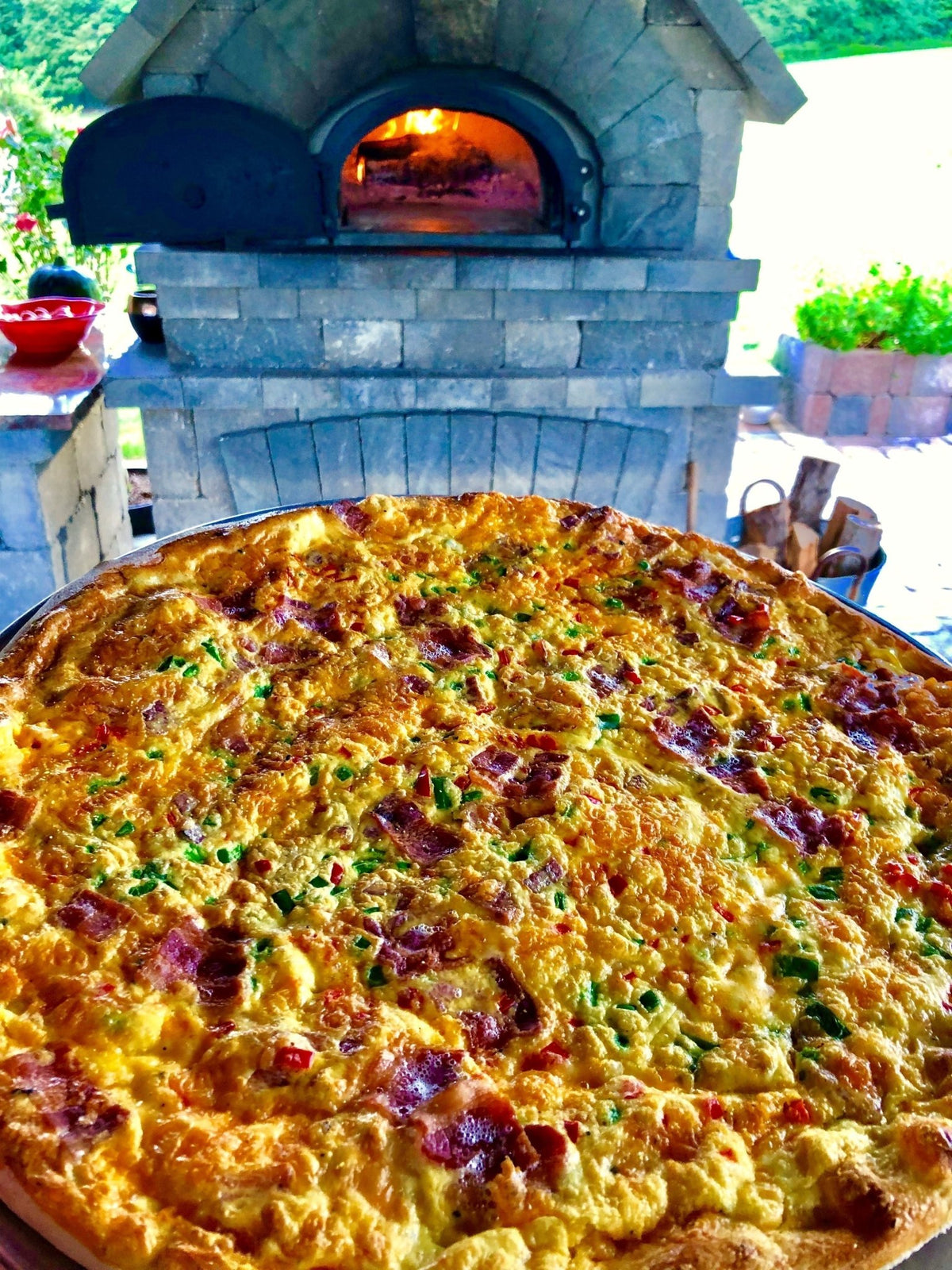
Knowing how hot a residential oven can get plays a major role in how your food cooks. Temperature affects texture, browning, moisture retention, and overall flavor. While most home ovens are designed for everyday meals, they do have limitations especially when it comes to high-heat cooking like pizza.
At Chicago Brick Oven, we work closely with homeowners who want to understand these limits and explore better cooking performance at home. Here’s a clear breakdown of residential oven heat levels and what they actually mean for cooking.
Typical Temperature Range of Residential Ovens
Most standard residential ovens in the U.S. operate between 170°F and 500–550°F. This range is ideal for common cooking tasks such as:
- Baking cakes, cookies, and bread
- Roasting meats and vegetables
- Preparing casseroles and everyday meals
For general home cooking, this temperature range works well. However, it falls short for applications that require intense, radiant heat.
Why Standard Home Ovens Have Temperature Limits
Residential pizza ovens are designed with built-in safety controls to prevent overheating. Even at their maximum setting of around 550°F, they cannot replicate the cooking environment of professional or high-heat pizza ovens.
This is why achieving authentic, pizzeria-style pizza in a standard oven is difficult even with pizza stones or steels. The oven simply cannot store or deliver heat fast enough.
Self-Cleaning Cycles: High Heat, Not for Cooking
During a self-cleaning cycle, residential ovens can reach temperatures between 850°F and 1000°F. These temperatures are used strictly for burning off residue and sanitizing the oven interior.
The oven door locks during this process, and these heat levels are not accessible or safe for cooking. While they demonstrate the oven’s material durability, they don’t translate to usable cooking performance.
Broiler Heat: Useful but Limited
Most residential broilers operate between 400°F and 550°F, using direct radiant heat from above. Broiling works well for:
- Browning cheese
- Finishing steaks
- Crisping vegetables
However, broilers heat only from one direction. Without heat from the oven floor and walls, they can’t deliver the balanced, high-temperature environment needed for true pizza baking.
Why Temperature Matters for Pizza Cooking
Pizza is where residential oven limitations become most noticeable. Traditional Neapolitan pizza requires 800°F to 900°F, allowing the dough to cook in 60–90 seconds while maintaining a light, airy interior and properly blistered crust.
This level of performance is only achievable with a dedicated residential pizza oven, particularly wood-fired or high-heat gas models.
With a residential pizza oven indoors or outdoors you benefit from:
- Faster cooking times
- Better heat retention
- Even cooking across the pizza surface
- Improved crust texture and browning
Outdoor residential wood-fired pizza ovens typically reach the highest temperatures and offer authentic live-fire cooking results.
Choosing the Right Oven for Your Cooking Style
- Everyday cooking and baking - A standard residential oven is sufficient
- High-heat pizza and live-fire cooking - A residential pizza oven is the right solution
Many homeowners choose to complement their kitchen with an outdoor pizza oven to expand their cooking capabilities beyond what a standard oven allows.
Final Thoughts
Residential ovens typically top out at 500–550°F, making them ideal for daily cooking but limiting for high-heat applications. If your goal is authentic pizza, faster bake times, and professional-level results, a dedicated residential pizza oven is the only way to reach the necessary temperatures.
Understanding your oven’s heat range helps you cook smarter and decide when upgrading your setup can significantly improve your results.
Leave a comment