




 Call Us


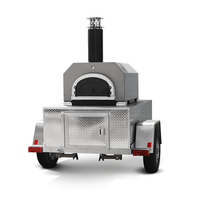




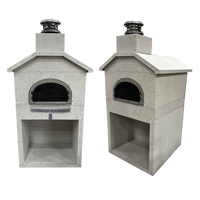



A wood-fired pizza oven delivers unmatched flavor, fast cooking, and authentic texture but many people don’t know how the oven actually works or how different wood types affect performance. Understanding how a wood-fired pizza oven works helps you choose the right fuel, manage heat better, and elevate every pizza you cook.
This guide breaks down how pizza ovens work, how heat circulates, and how various wood types influence flavor and temperature control.
If you’re exploring different oven options, our guide on the Top 9 Best Pizza Ovens for Cooking Enthusiasts highlights the best models for backyard or home setups. Knowing the features of these ovens helps you select the right size, heat retention, and fuel type, making it easier to manage different hardwoods and optimize cooking performance.
How Do Pizza Ovens Work?
To understand wood selection, it’s important to know how a pizza oven works in the first place. A traditional brick or dome oven uses three kinds of heat:
1. Radiant Heat
The fire and hot dome radiate intense heat onto the pizza.
2. Conductive Heat
The oven floor absorbs and stores heat, cooking the pizza base evenly.
3. Convection Heat
The curved dome forces hot air to circulate, ensuring all sides cook quickly.
This combination explains how brick ovens work and why they can cook pizzas in under 90 seconds.
How Does a Wood-Fired Pizza Oven Work?
Now let’s look specifically at how a wood-fired pizza oven works:
- A fire is built inside the dome using hardwood.
- The flames heat the dome, walls, and cooking floor.
- As the inside surfaces become saturated with heat, the fire is pushed to one side.
- A live flame continues reflecting heat onto the pizza.
- The floor stores high heat and cooks the crust from below.
- Airflow forces heat to circulate for fast, even baking.
This explains how a wood-fired pizza oven works to deliver high temperatures and authentic flavor.
How Different Wood Types Change the Cooking Experience
Different woods burn at different rates, produce different flavors, and influence how evenly and efficiently your oven heats. Here’s how various wood types impact performance:
1. Oak - Best for High Heat and Consistency
- Burns hot and steady
- Produces clean heat
- Ideal for long sessions
- Great for Neapolitan pizza
Oak is one of the best options because it optimizes heat retention and stability.
2. Maple - Balanced and Clean Burning
- Mild smoky flavor
- Burns longer than softer woods
- Offers even cooking conditions
A solid choice for those learning how wood-fired pizza ovens work with consistent woods.
3. Hickory - Strong Aroma and Intense Heat
- Strong smoky flavor
- Produces very high heat
- Great for rustic or smoky pizzas
Use sparingly if you prefer a lighter flavor.
4. Cherry - Semi-Sweet & Aromatic
- Adds mild sweetness
- Burns clean
- Best for delicate toppings or white pizzas
Cherry enhances aroma without overpowering ingredients.
5. Applewood - Fruity and Gentle
- Low to medium heat
- Sweet aroma
- Great for low-temperature baking
Applewood works beautifully for bread, calzones, or thicker pizzas.
Woods You Should Never Use
Avoid the following types, as they affect how your oven performs and may release toxins:
- Softwoods like pine, cedar
- Treated or painted wood
- Plywood, compressed wood
- Wood with chemicals or glue
These produce excessive soot, unstable flames, and unsafe smoke.
How Wood Selection Affects Heat & Cooking Time
Different woods affect:
-
Heat Intensity
Hardwoods reach peak heat faster and maintain it longer.
-
Burn Duration
Dense wood burns slowly, ideal for extended cooking.
-
Smoke Flavor
Aromatic woods add noticeable flavor to your crust and toppings.
Understanding these factors helps you better manage how your pizza oven works and maintain the ideal cooking temperature.
Choosing the Best Wood for Pizza Ovens
For fast, high-heat pizza cooking, hardwoods like oak, maple, and hickory perform best. They make it easier to maintain steady heat and create the perfect cooking environment inside your oven.
If you’re exploring how brick ovens work with different woods, the principle is the same: dense hardwoods = better heat and flavor.
Final Thoughts
Knowing how a wood-fired pizza oven works and how wood selection impacts temperature, burn time, and flavor helps you achieve better results every time. Choose clean-burning hardwoods, avoid softwoods, and experiment with different flavors to create pizzas that taste authentic, smoky, and perfectly cooked.