
Why Are Wood-Fired Pizza Ovens So Expensive? A Full Cost Breakdown
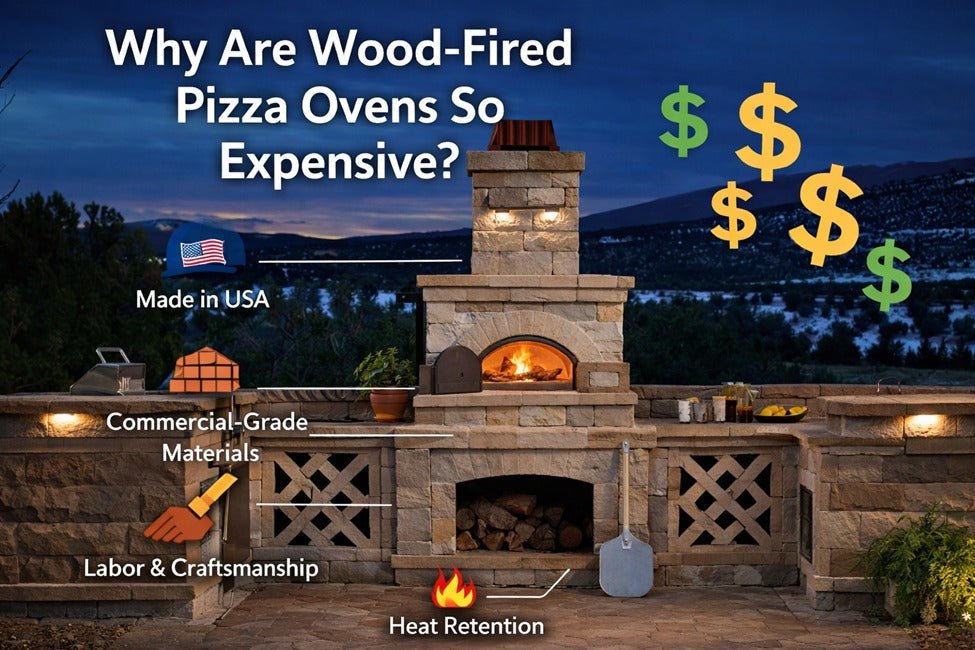
When homeowners begin researching a wood fired pizza oven outdoor setup or evaluating a commercial wood fired pizza oven, one question consistently surfaces:
Why are wood-fired pizza ovens so expensive?
The answer lies in engineering, materials science, safety certification, and performance design not simply aesthetics or brand markup. High-performance ovens are built to reach and sustain temperatures approaching 1,000°F, cook authentic Neapolitan pizza in 90 seconds, and endure years of extreme climate exposure.
Let’s break down exactly where the investment goes.
1. Premium Refractory Materials Built for Extreme Heat
A true is not made from decorative brick or thin steel panels.
High-performance ovens require:
- Thick refractory firebrick
- Proprietary refractory cement
- Stainless steel reinforcement fibers
- High-density ceramic fiber insulation
- Heavy-gauge stainless steel components
These materials must withstand:
- Repeated 900–1,000°F firing cycles
- Thermal shock from rapid heating
- Freeze–thaw cycles in harsh climates
- Structural expansion and contraction
Imported ovens often use materials engineered for temperate European environments. In contrast, ovens manufactured in the United States must endure Maine winters, Midwest freeze cycles, and coastal humidity without cracking or degrading.
This level of durability significantly increases production cost but it also defines long-term performance.
2. The Science of Heat Retention & Dome Engineering
A wood-fired oven’s cost is deeply tied to how it manages heat.
The traditional low-dome, igloo-shaped design inspired by ancient Neapolitan ovens is not decorative. It is engineered to:
- Create proper airflow circulation
- Roll flame across the dome ceiling
- Balance radiant, convection, and conduction heat
- Deliver even cooking across the hearth
In advanced systems like those developed by Chicago Brick Oven, proprietary FlameRoll™ Technology enhances this effect by creating a vacuum-style airflow that concentrates heat and rolls flame evenly across the dome surface.
This engineered airflow enables:
- 90-second Neapolitan pizza
- Artisan bread baked directly on the hearth
- Simultaneous roasting and searing
- Even multi-dish cooking
Designing for this precision requires significant engineering investment far beyond simple masonry construction.
3. Insulation: The Invisible Cost Driver
Insulation is one of the most expensive and most overlooked components of a wood fired commercial pizza oven.
High-density insulation layers:
- Retain extreme heat for hours
- Improve fuel efficiency
- Reduce wood consumption
- Maintain stable cooking temperatures
Poor insulation leads to:
- Excess fuel use
- Inconsistent baking
- Structural cracking
- Energy loss
Commercial kitchens especially require ovens that maintain temperature stability throughout service. That performance depends entirely on insulation thickness and material quality.
4. Certifications & Safety Compliance
For a commercial wood fired pizza oven, safety certifications are non-negotiable.
Premium American-manufactured ovens are:
- UL Certified
- NSF4 Certified
These certifications ensure:
- Structural fire safety
- Safe installation standards
- Commercial kitchen compliance
- Insurance eligibility
Many imported ovens lack these certifications or require costly third-party testing for approval. Certification testing, compliance engineering, and documentation add cost but they provide peace of mind and operational legitimacy.
5. Size, Weight & Structural Engineering
Authentic brick ovens are heavy.
A fully assembled oven may weigh:
- 1,000 to 2,000+ pounds
That weight comes from:
- Thick refractory layers
- Reinforced dome structure
- Dense hearth slabs
- Multi-layer insulation systems
Heavy construction is necessary to:
- Retain heat
- Prevent structural failure
- Deliver authentic cooking results
This mass increases:
- Shipping logistics
- Handling requirements
- Installation considerations
But it also guarantees durability measured in decades, not seasons.
6. Hybrid Technology & Advanced Fuel Systems
Modern premium ovens are no longer limited to wood-only firing.
Hybrid dual-burner systems combine:
- Traditional wood fuel
- Integrated gas ignition
This offers:
- Faster startup
- Fuel flexibility
- Consistent heat control
- Commercial practicality
Engineering a system that safely integrates gas burners inside a refractory dome requires complex airflow management and safety validation adding to manufacturing cost but dramatically expanding usability.
7. American Manufacturing vs Imported Production
Many high-end ovens are handcrafted overseas, particularly in Italy. While craftsmanship is valuable, import-based purchasing often includes:
- Long shipping timelines
- High freight costs
- Risk of transit damage
- Limited replacement parts
- Minimal local support
American manufacturing eliminates:
- Months-long shipping delays
- Import fees
- Installation uncertainty
- Replacement part scarcity
Domestic production also enables faster lead times, direct support access, and engineered durability for North American climate extremes.
8. Multi-Function Cooking Capability
A high-performance wood fired pizza oven outdoor system is not single-use.
It can:
- Bake artisan bread directly on the hearth
- Roast meats and poultry
- Slow cook ribs
- Grill fish
- Sear steaks
- Bake desserts
- Use cast iron cookware
- Cook multiple dishes simultaneously
This multi-function performance requires:
- Balanced heat zones
- Durable hearth surfaces
- High-temperature resilience
- Structural integrity
You are not purchasing a pizza gadget, you are investing in a professional-grade artisan cooking system.
So, Are Wood-Fired Pizza Ovens Worth the Cost?
When you analyze the real factors of refractory materials, dome engineering, insulation science, safety certifications, hybrid fuel systems, and climate durability the cost becomes clear.
Premium ovens are built for:
- 1,000°F performance
- 90-second Neapolitan cooking
- Decades of structural integrity
- Professional-level results
- Outdoor entertaining around visible flame
They are engineered products, not decorative backyard accessories.
For homeowners seeking authentic flavor and long-term durability, or for restaurants requiring certified commercial compliance, the investment reflects precision engineering and performance not marketing.
Because in the end, everything truly does taste better woodfired.
Leave a comment