
How to Use a Pizza Peel Without Sticking: Pro Tips for Wood Fired Ovens
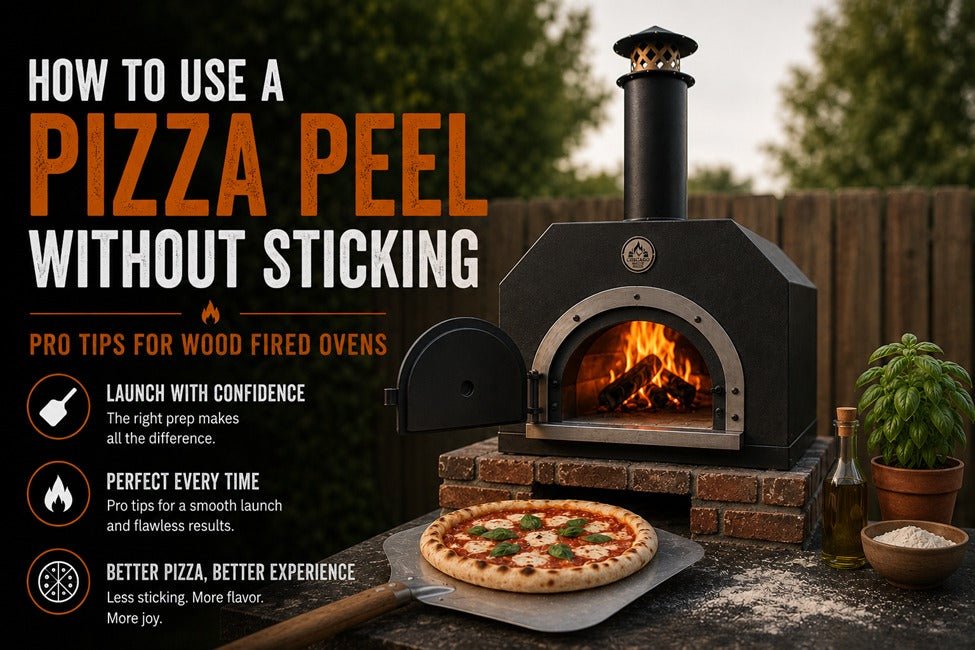
One of the most common frustrations in wood fired pizza making is pizza dough sticking to the peel right before launch. Even experienced outdoor cooks occasionally struggle with dough tearing, toppings sliding, or pizzas sticking during transfer into the oven.
In high-performance wood fired ovens, where temperatures can reach 800°F to 1,000°F, proper pizza peel handling becomes even more important. A smooth launch directly affects crust texture, cooking consistency, and overall pizza quality.
At Chicago Brick Oven, authentic wood fired cooking is designed around professional performance. Their American-made ovens use proprietary FlameRoll™ technology to circulate concentrated heat across the dome for authentic Neapolitan-style cooking in as little as 90 seconds. Because cooking happens so quickly, mastering the proper pizza peel technique wood fired cooks rely on is essential for consistent results.
This guide explains the best pizza peel tips to prevent sticking and improve your overall wood fired cooking experience.
Why Pizza Dough Sticks to the Peel
Before fixing the problem, it helps to understand why pizza dough sticks to the peel in the first place.
The most common causes include:
- Excess moisture in dough
- Too much sauce or wet toppings
- Leaving dough on the peel too long
- Insufficient flour or semolina
- Poor peel material choice
- Incorrect dough hydration management
When dough sits on the peel, moisture gradually absorbs into the surface, creating friction that prevents smooth movement.
This becomes even more noticeable in wood fired ovens because pizzas need to launch quickly and accurately onto the hot hearth.
Choose the Right Pizza Peel
Not all pizza peels perform the same way.
For launching pizzas into a wood fired oven, many professional cooks prefer wooden peels because wood naturally absorbs slight surface moisture from the dough. This helps reduce sticking during transfer.
Metal peels, especially aluminum peels, are often better suited for:
- Turning pizzas
- Rotating near flame
- Retrieving cooked pizzas
- Faster maneuverability
Many serious outdoor cooks use:
- A wooden launching peel
- A metal turning peel
This combination works particularly well with premium ovens like Chicago Brick Oven wood fired ovens, where visible flame cooking and high heat demand require precision handling.
Use Semolina or Flour Properly
One of the simplest pizza peel tips is using the correct dusting material.
Semolina Flour
Semolina acts like tiny ball bearings under the dough, helping pizzas slide smoothly.
Benefits include:
- Reduced sticking
- Better launch control
- Improved movement on the peel
- Light crisp texture underneath the crust
Regular Flour
Traditional flour also works well, but may burn faster at extremely high temperatures.
The key is moderation.
Too little flour increases sticking.
Too much flour can create burnt residue inside the oven.
For authentic wood fired cooking, a light and even dusting is ideal.
Build Your Pizza Quickly
Timing matters more than many people realize.
One major reason pizza dough sticks to the peel is leaving the assembled pizza to sit too long before launching.
As the sauce and toppings rest on the dough:
- Moisture transfers downward
- The peel absorbs hydration
- Friction increases rapidly
Professional pizza makers often build pizzas in under two minutes before launching.
In ovens using FlameRoll™ technology, pizzas begin cooking instantly once placed on the hearth, so fast preparation supports smoother workflow and better results.
Shake the Peel Before Launching
A simple but important pizza peel technique wood fired cooks use is the “test shake.”
Before placing the pizza into the oven:
- Gently shake the peel side-to-side
- Confirm the pizza moves freely
- Check for sticking points
If the dough does not slide easily:
- Lift edges carefully
- Add a small amount of flour underneath
- Repeat the shake test
Never force-launch a stuck pizza into a hot oven. This often leads to folded crusts, lost toppings, or uneven cooking.
Avoid Excess Sauce and Wet Toppings
Overloading pizzas is another major sticking problem.
Heavy moisture from:
- Fresh mozzarella
- Raw vegetables
- Excess tomato sauce
- Wet dough
can quickly soak through the bottom surface.
For authentic Neapolitan pizza, simplicity often produces better results:
- Light sauce
- Balanced toppings
- Moderate cheese
- Proper dough hydration
This creates cleaner launches and more consistent wood fired cooking performance.
Keep Your Peel Dry and Clean
Moisture buildup on the peel surface can dramatically increase sticking.
Best practices include:
- Wiping excess flour regularly
- Keeping peels dry between uses
- Avoiding wet countertops
- Cleaning burnt residue frequently
During long outdoor cooking sessions, especially while entertaining guests, maintaining a clean peel improves workflow and consistency.
This is especially valuable in larger outdoor kitchens where multiple pizzas, breads, and roasted dishes are prepared continuously.
Use Proper Dough Hydration
Highly hydrated dough creates beautiful, airy crusts but can become harder to handle for beginners.
If you are learning pizza peel technique wood fired cooking requires slightly lower hydration doughs may be easier initially.
Once handling improves, higher hydration dough can be introduced gradually for:
- Better oven spring
- Lighter texture
- Authentic artisan structure
In professional-grade brick ovens, dough handling skill becomes just as important as oven temperature itself.
Master the Launch Technique
Launching is not about throwing the pizza aggressively.
A smooth launch involves:
- Positioning the peel near the hearth
- Slight forward movement
- Gentle backward pull
- Allowing pizza to slide naturally onto the cooking surface
The motion should feel controlled and fluid.
Because Chicago Brick Oven ovens use low-dome engineering inspired by traditional Italian brick ovens, proper launching technique helps place pizzas directly into ideal heat zones for balanced cooking.
Why the Right Pizza Peel Matters
Choosing the correct peel significantly improves cooking success.
The best pizza peels for wood fired ovens are designed for:
- Thin edge transfer
- High heat durability
- Long reach safety
- Smooth dough release
- Faster maneuverability
Long-handle peels are especially important in authentic brick ovens, where a visible, live flame and deep cooking chambers require greater heat distance and control.
Premium ovens deserve professional-grade accessories that match their performance capabilities.
Learn More About the Best Pizza Peels for Wood Fired Ovens
The type of peel you choose can dramatically impact launch consistency, turning control, and overall cooking performance. From wooden launching peels to lightweight aluminum turning peels, every tool serves a different purpose in authentic wood fired cooking.
In our complete guide to Best Pizza Peels for Wood Fired Ovens, we break down:
- Wooden vs metal pizza peels
- Aluminum vs stainless steel options
- Proper peel sizes
- Commercial pizza peel recommendations
- Long-handle peel advantages
- Essential pizza oven accessories
Understanding how different peels function together helps create smoother workflows and more professional results in both residential and commercial wood fired ovens.
Final Thoughts
Learning how to prevent pizza dough from sticking to the peel is one of the most important skills in wood fired cooking.
With the right techniques, you can:
- Improve launch consistency
- Reduce failed pizzas
- Cook more efficiently
- Protect the delicate dough structure
- Enhance overall cooking confidence
The best pizza peel tips combine:
- Proper flour usage
- Fast preparation
- Correct peel material
- Clean workflow
- Smooth launch technique
When paired with high-performance ovens like those from Chicago Brick Oven, these techniques help unlock authentic artisan cooking results while making every pizza session smoother, faster, and more enjoyable.
Leave a comment